{{ 'fb_in_app_browser_popup.desc' | translate }} {{ 'fb_in_app_browser_popup.copy_link' | translate }}
{{ 'in_app_browser_popup.desc' | translate }}
🔥9/5 DR.WU會員日,一天限定 點數 2 倍送! 👉<查看更多優惠>
✨換季保養:保濕|控油|防曬 🛒任選3件67折 👉<立即選購>
📣4/9 ~ 4/16 因全員外部訓練,暫停「客服 / 退貨 / 訂單取消」等相關服務
{{ childProduct.title_translations | translateModel }}
{{ getChildVariationShorthand(childProduct.child_variation) }}
{{ getSelectedItemDetail(selectedChildProduct, item).childProductName }} x {{ selectedChildProduct.quantity || 1 }}
{{ getSelectedItemDetail(selectedChildProduct, item).childVariationName }}
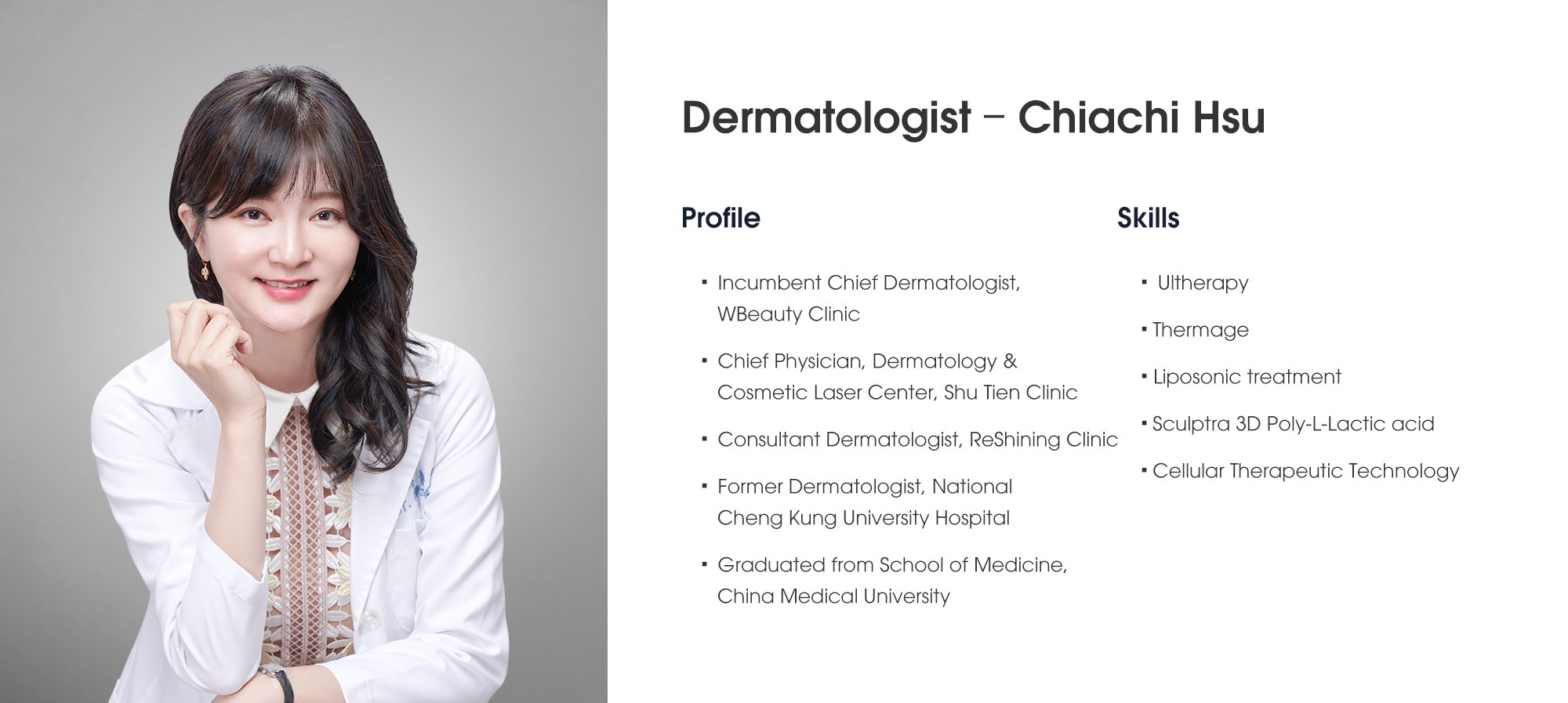
By Dr. Chia-chi Hsu
Why is retinol so popular? As early as 1995, retinol has been approved by the FDA that it can effectively slow photoaging and resist fine lines. Throughout my training and practice as a dermatologist, vitamin A has always been praised for its multiple skin benefits, including resisting signs of aging, brightening skin tone, controlling oily skin and improving enlarged pores. Backed by many experiments, it is validated as a wondrous ingredient targeting multiple skin problems at once. Retinol-featuring skincare products were hard to find 10 years ago in Taiwan. You’d have to do some digging in western countries to get your hands on those products as well. Yet, in the past two years, there has been an increasing number of brands launching retinol products. I’m very happy and excited to see retinol products thrive and prosper, but I’d like to remind you that products containing retinoids (which are vitamin A derivatives) are less stable and may cause skin irritations. Here I've listed out questions that I get frequently asked of. Hopefully, they will be helpful for your search for the most effective, safe and suitable retinol product.
Q1: What is retinol and what skincare effects does it have? How is it related to other retinoids such as retinoic acid, retinal and retinyl palmitate?
A: Vitamin A is a group of highly nutritious organic compounds. They are essential nutrients for the body with different parts requiring different forms of vitamin A. For example, retinal is important for your eyes, and retinol is involved in embryonic development. Retinoic acid is most relevant to dermatologists because it is the only vitamin A ingredient that can kick in while activating the epidermal cells.
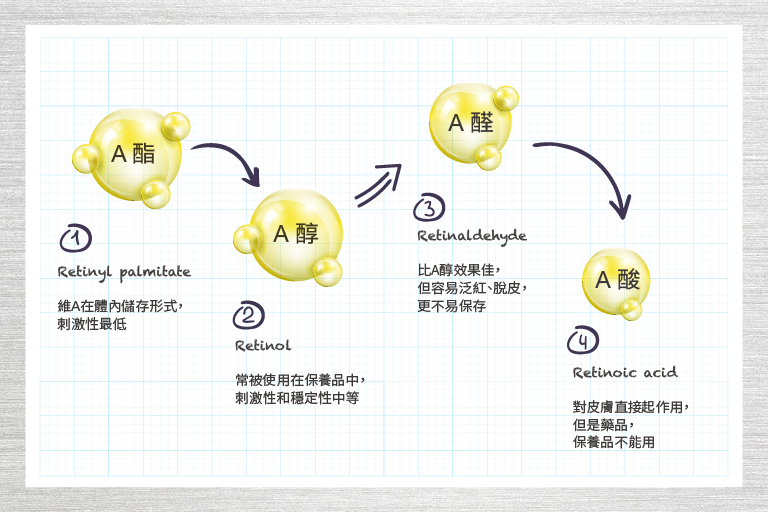
Vitamin A is fat-soluble. It is stored in the form of retinyl palmitate in the body, but has to be metabolized into retinol, then retinal, and lastly, into retinoic acid to become useful to the skin. So what are the effects of retinoic acid on the skin? To begin with, it can promote the growth and differentiation of the epidermal cells from the stratum basale so that the stratum corneum is more orderly layered. It also assists in the removal of old and dead skin cells, making the skin look smoother and glowing. Next, retinoic acid can reach further down to activate fibroblasts so as to help the synthesis of collagen and protect collagen and elastin from being easily destroyed by the sun. As a result, retinoic acid can improve problems such as the thinning of the skin and loss of elasticity caused by aging. As for brightening skin tone, retinoic acid can inhibit melanin production, making the skin look clearer and illuminating while improving spots. Since it can inhibit the sebaceous gland from secreting excessive sebum, retinoic acid is also known for controlling oily skin and resisting acne.
You may wonder why it is not retinoic acid that is being added to skincare products, since it’s the only vitamin A ingredient active in the skin and with so many benefits. Why is retinol grabbing all the attention instead? This is mainly because retinoic acid is very irritating and can only be used with the advice of dermatologists or other specialists. Restrained by regulations, retinoic acid cannot be incorporated into at-home treatment. As previously mentioned, the conversion order of different forms of vitamin A into retinoic acid is: retinyl palmitate → retinol → retinal → retinoic acid; the fewer the steps, the more effective, but also more irritating and unstable. Retinyl palmitate due to a longest conversion pathway is the mildest and serves better as a supporting role; retinal causes strong irritation and was previously patent-protected, so it has not been widely applied. And thus, it comes down to retinol with potency and irritation in between retinyl palmitate and retinal. No wonder retinol has stood out in recent years.
Q2: What to look for when choosing retinol products? Is the higher the concentration the better?
A: Lots of retinol products on the market specify concentration levels. I actually find concentration to be less of a consideration. Of course, the active ingredients of a product need to reach a certain concentration to be effective, but the product’s base material and packaging are equally important. For example, acidic ingredients such as mandelic acid might seem impressive when it accounts for 20%, 25%, or even 30% of a product. Yet, if the product itself has a pH value that is not acidic enough, however high the concentration is, the result it can deliver is still greatly reduced. The same goes for retinol. Since retinol is a fat-soluble ingredient, the product’s base material should contain oil and should be more nourishing. If the product’s texture is watery, such as the texture of a toner or watery serum, the retinol within is probably not able to deliver much of its effects. Furthermore, retinol is very unstable. The packaging has to be opaque and airless so that retinol does not become ineffective due to oxidation and light degradation.
According to current regulations, there’s no max limit to the concentration level of retinol in skincare products, but usually the effective strength ranges from 0.1% to 1%. DR.WU’s new release of the next-generation Tri-Retinoid is featuring a pretty high strength at 1.5%, even though it is a combination of three ingredients: retinyl palmitate, retinol, and retinal. Another key point to observe is the product’s color. The color of retinol’s raw material should be a pale yellow. If the product’s color is also a pale yellow, it is probably more effective; if it is white or transparent, it might be because the concentration is too low, or too many colorants are added and covered the original color.
Q3: Are retinol products suitable for sensitive skin? Or is it enough to apply retinyl palmitate, the mildest ingredient?
A: While retinyl palmitate is the mildest among vitamin A derivatives, it needs too many steps to be converted into retinoic acid, the active form in the skin, and thus, the end result is greatly reduced. If you have sensitive and redness-prone skin, you can still choose the relatively mild retinol. If the brand you choose provides different strengths, you’d definitely want to start with the lowest concentration available. If no irritation occurs, you can try the next higher concentration. Usually, you can finish one container of skincare products within 1-3 months if you are diligent enough. Retinol is an excellent ingredient you can use for a lifetime, so take your time to find the most suitable one for you. If the brand you like only launches one concentration level, start with a routine of applying once every three days. This means apply two or three times in the first week, and increase the frequency to three or four times in a week if you don’t experience any irritation or redness. In the end, you can use retinol every night.
Q4: Retinol, retinoic acid, mandelic acid, salicylic acid, and so forth can all renew skin and diminish pores. What skin type do they respectively cater to? How should I select from the pile?
A: Make your decision depending on the product’s base material. For example, as mentioned earlier, since retinol is fat-soluble, the product’s texture is usually more oily. If you have acne-prone skin, oily skin, or if you’re in phases such as puberty in which you tend to produce excessive amounts of sebum, I’ll not recommend these more nourishing products. Starting with products containing mandelic acid or salicylic acid is more appropriate. If you have premature skin, your skin is probably not as oily as it was in puberty; you still grow some pimples and acne occasionally, but in the meantime, you want some anti-aging effects. In that case, retinol is a great choice. To sum up, mandelic acid for teen acne, and retinol for adult acne.
Q5: What shouldn’t be used with retinol? I surfed the internet and found people saying that pairing retinol with other acids can boost skincare effects.
A: Since retinol itself is already an active and irritating ingredient, it’s best not to mix it with products causing irritation such as acidic or brightening skincare. These types of products claim to be effective treatments and are usually more irritating to the skin. If you want to use them with retinol, it’ll be safer to do so after your skin has acclimated to retinol. Actually, there’s no standard answer to this question because everyone’s skin condition is different, and it really depends on each individual’s skin type. Take acids for example. If your skin is rather thick and on the oily side, and you have tried other acids for a while without any discomforts, gradually adding retinol into your routine is an acceptable approach. Yet, based on my clinical observations, most women tend to have sensitive skin. Using only retinol can already deliver pretty good results.
Q6: What to do when my skin shows redness or starts peeling after using retinol products? What kinds of peeling and stinging are abnormal? Is having peeling skin the only way to prove that retinol is working?
A: If your skin is a bit flaky after using retinol, you can simply moisturize your skin more; if you’re showing some redness, it’s better to stop using retinol for a while, enhance the use of moisturizer, and pick up retinol again after your skin has recovered; if you’re experiencing dryness, itch and stinging, I’d recommend seeing a doctor to apply some medical ointment. You don’t have to suffer from peeling skin to prove that retinol is working for you. At-home treatment should be milder, and your skin doesn’t have to peel in large pieces as if you’re doing an AHA skin peel. It is safer to do these kinds of thorough skin maintenance involving a complete destruction and reconstruction of the skin in a clinic, monitored by a doctor.
Q7: Why do some people have a surge in pimples after applying retinol? How long does retinol purging last?
A: Acne causes pimples to develop. If you have lots of visible whiteheads and blackheads, when you apply ingredients that boost the turnover of keratinocytes such as acids and retinol, you’ll easily experience purging because these ingredients accelerate the breaking out of acne. The duration of purging depends on the amount of acne. If you have lots of acne, the purging may last for 3 to 6 months. If you have less acne, you might get through the process after 1 month. If you experience serious retinol purging, go see a doctor and take some anti-inflammatory drugs.
Q8: Since retinol is a more irritating ingredient, which products can deliver a bonus or soothing effect when paired with retinol products?
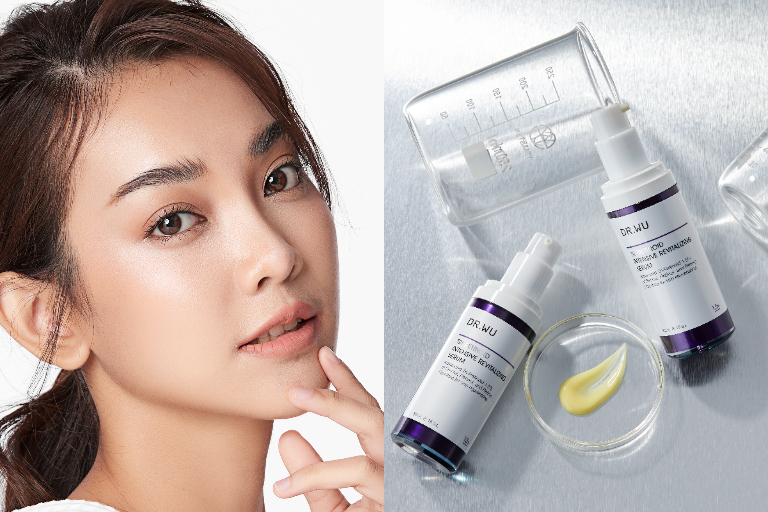
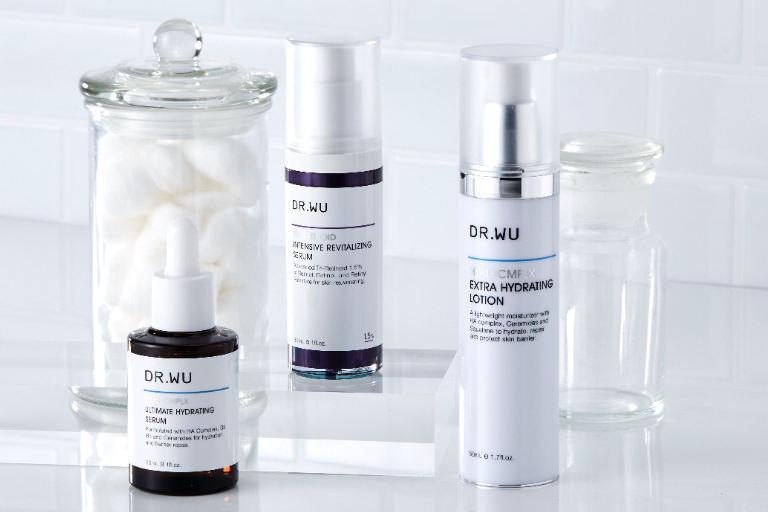
A: I’d recommend pairing with some moisturizing and repairing ingredients. For example, DR.WU’s new release – Tri-Retinoid Intensive Revitalizing Serum – boasts a nice formula incorporating vitamin B3 and B5, hyaluronic acid, and other moisturizing ingredients. Some calming and soothing ingredients such as Glycyrrhizic acid are also added to the mix. If you find the product not moisturizing enough, you can add other moisturizing lotion and serum for enhancement.
Q9: How long does it take to see the results of retinol?
A: Since the turnover of keratinocytes is faster, you'll be able to see acne and pimples gradually reduce after 4 to 6 weeks. You’ll have fewer deep pimples, and the ones that break out usually form closer to the skin surface and are easier to get rid of. To see smoother, more refined, and clearer skin, you’ll have to wait for about 3 months. As for seeing reduced and smoothed wrinkles, you’ll need to wait for collagen to regenerate, which takes much longer, around 6 months to over 1 year.
Q10: Can I apply retinol to the eye area and neck?
A: The eye area and neck both have thinner skin and secrete less sebum; thus, they tend to form fine lines. I think they can both benefit from retinol. Yet, the skin of these two parts is more sensitive, so don’t rush it and don’t use products with a high concentration. When applying retinol to the eye area, avoid getting too close to your eyelashes in case it irritates the membrane. If your neck skin feels too dry after using retinol, you can apply some moisturizer afterwards.
Q11: Can I use retinol after receiving aesthetic therapies?
A: Doing at-home treatments after receiving aesthetic therapies can boost and prolong their effects. This is especially true for retinol, since it boasts an all-round efficacy. Whether you have laser or light therapy to treat blemishes, or Thermage and Ultherapy to reproduce collagen, you can use retinol products at home afterwards. On a side note, pause the use of retinol one week before and after getting aesthetic therapies, since your skin is more vulnerable during those periods.
相關產品推薦: