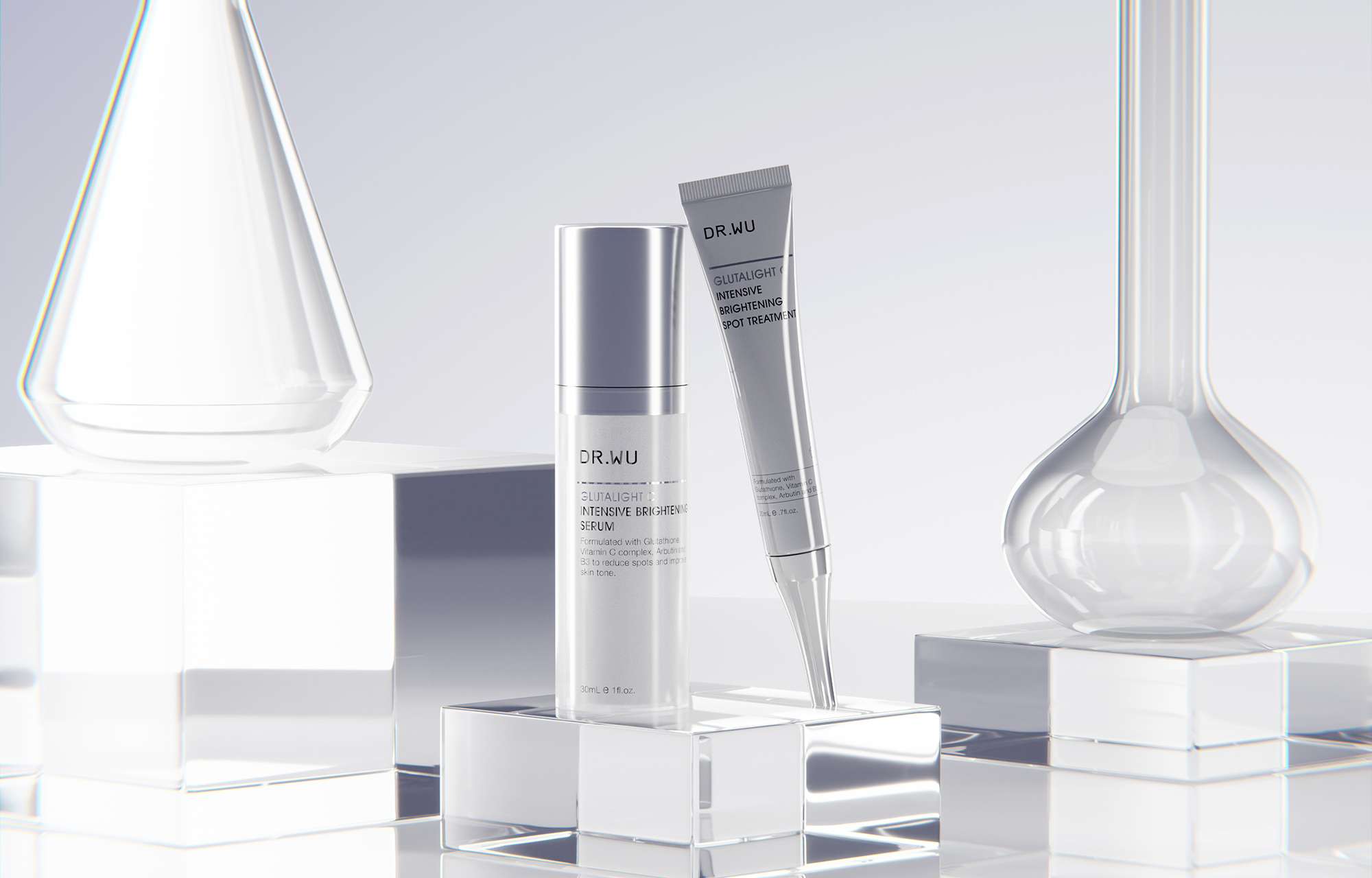
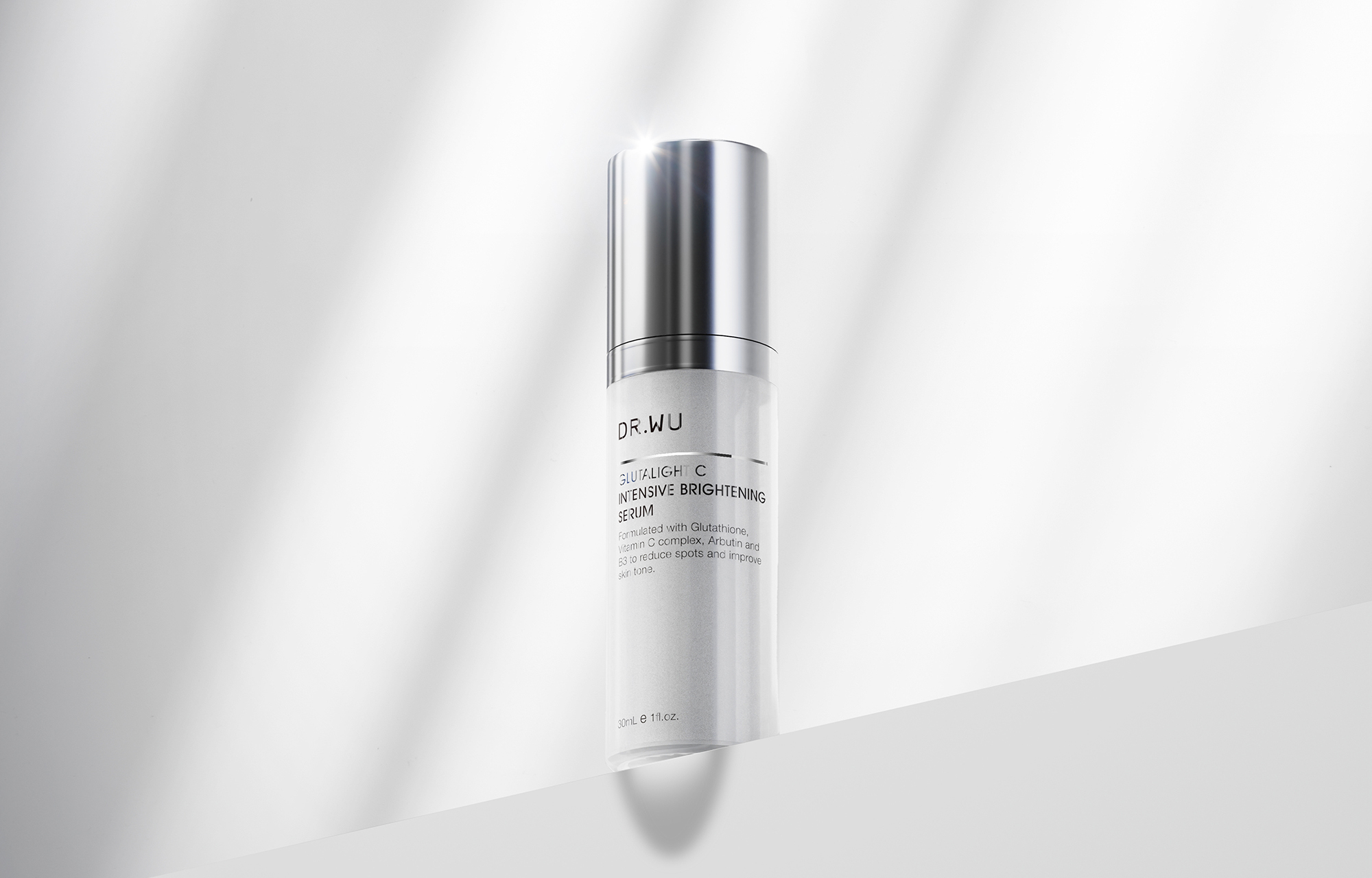
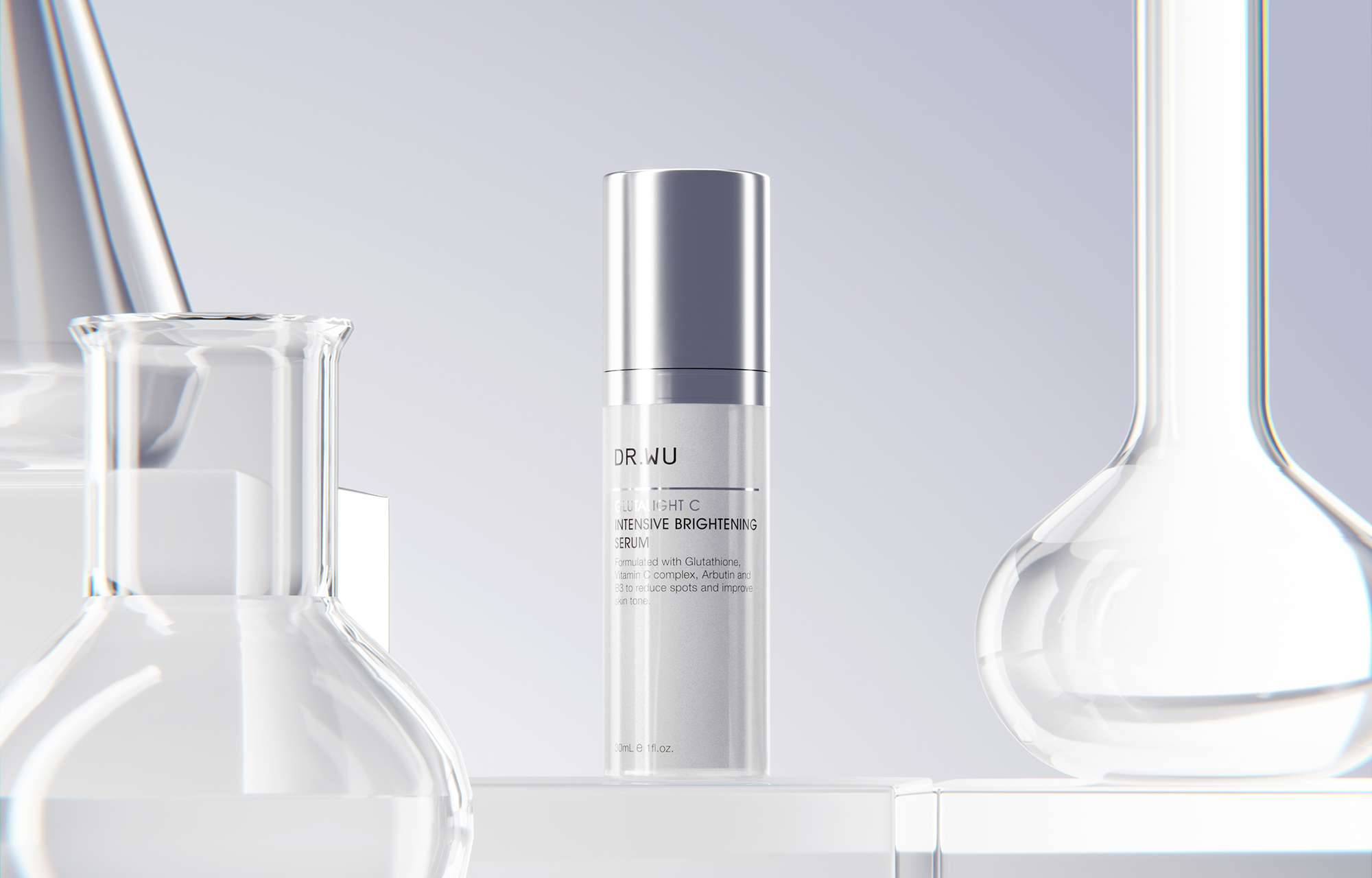
How to choose effective whitening ingredients?
In fact, whitening should not only be quick, but also be evaluated for effectiveness based on the skin’s growth and metabolism cycle of 28 days, choose gentle and effective ingredients, and use them continuously to safely and beautifully lighten. In selecting ingredients, choose effective ingredients that limit melanin formation while also lightening and metabolizing melanin. This allows the skin to achieve even skin tone, brightness, and a proper moisture balance through effective ingredient formulas. Effective whitening products mainly rely on the following mechanisms:
1. Inhibiting melanin formation
2. Blocking melanin transport and reducing melanin aggregation
3. Promoting melanin metabolism
Blocking melanin
Common whitening ingredients include arbutin, tranexamic acid, niacinamide B3, vitamin C and its derivatives. These not only have good anti-inflammatory effects, but also inhibit melanin by inhibiting tyrosinase and anti-oxidation. Many whitening products on the market that claim to be quick-acting may contain acids, which may cause long-term skin discomfort or sensitivity. The ingredients are also photosensitive, which can cause darkening if not properly protected during sun exposure. Among them, vitamin c can inhibit the activity of tyrosinase, the source of melanin production, block melanin synthesis, and reduce already-formed melanin. It has good whitening effects and is suitable for sensitive skin. It is the most common and evergreen whitening ingredient.
Promote metabolic renewal
In addition, targeting melanin or pigment that has already been transferred to the skin’s surface, niacinamide B3 in the recent years has showed that it not only strengthens the epidermal barrier, increases lipid content in the outermost layer of the skin, and improves skin barrier function, but also soothes redness caused by dryness. It can also reduce pigment caused by skin discomfort. Additionally, it uses enzymes to accelerate cellular turnover and keratin production. These are all beneficial in whitening properties. In junction, botanical extracts such as Scutellaria baicalensis root, Centella asiatica, Paeonia lactiflora root, and Ecklonia cava possess antioxidant, anti-inflammatory, and reparative properties. They play a key role in disrupting melanin production by repairing DNA damage, caused by UV rays by inhibiting tyrosinase activation. Thus, this reduces melanin production and quantity, whilst simultaneously providing antioxidants. Additionally, of course, “sun care” is the basis for all anti-aging and whitening. Doing a good job of staying knowledgeable on external defense is essential to make whitening effective and long-lasting.
Supplemental Whitening
In addition to the above, other plant extracts, such as Scutellaria Root, Saxifraga stolonifera, and Peony Root have antioxidant, anti-inflammatory and repairing properties, which play a large role in minimizing pigmentation and repairing DNA damage caused by UV rays. They inhibit tyrosinase activation to inhibit tyrosinase activation, thus reducing melanin production and its quantity, and providing comprehensive protection. These processes contribute to achieving whitening of the skin and overall brightening the skin’s complexion, making them key assisting ingredients.
Of course, in addition to daily skincare routines, "sun protection" is the foundation of all anti-aging and whitening. Only diligent external defense can lead to long-lasting whitening results.