{{ 'fb_in_app_browser_popup.desc' | translate }} {{ 'fb_in_app_browser_popup.copy_link' | translate }}

{{ 'in_app_browser_popup.desc' | translate }}

🔥9/5 DR.WU會員日,一天限定 點數 2 倍送! 👉<查看更多優惠>

✨換季保養:保濕|控油|防曬 🛒任選3件67折 👉<立即選購>

📣出貨時間調整公告:4/2(四) - 4/7(二)結帳訂單,將一併於 4/8(三)起陸續出貨

Your Shopping Cart is empty.
{{ (item.variation.media ? item.variation.media.alt_translations : item.product.cover_media.alt_translations) | translateModel }} {{ (item.variation.media
                    ? item.variation.media.alt_translations
                    : item.product.cover_media.alt_translations) | translateModel
                }}
{{ 'product.bundled_products.label' | translate }}
{{ 'product.bundle_group_products.label' | translate }}
{{ 'product.buyandget.label' | translate }}
{{ 'product.gift.label' | translate }}
{{ 'product.addon_products.label' | translate }}
{{item.product.title_translations|translateModel}}
{{ field.name_translations | translateModel }}
  • {{ childProduct.title_translations | translateModel }}

    {{ getChildVariationShorthand(childProduct.child_variation) }}

{{ 'product.set.open_variation' | translate }}
  • {{ getSelectedItemDetail(selectedChildProduct, item).childProductName }} x {{ selectedChildProduct.quantity || 1 }}

    {{ getSelectedItemDetail(selectedChildProduct, item).childVariationName }}

{{item.variation.name}}
{{item.quantity}}x NT$0 {{ item.unit_point }} Point
{{addonItem.product.cover_media.alt_translations | translateModel}}
{{ 'product.addon_products.label' | translate }}
{{addonItem.product.title_translations|translateModel}}
{{addonItem.quantity}}x {{ mainConfig.merchantData.base_currency.alternate_symbol + "0" }}

by Dr. Ying-Jung WU

What Is Hyaluronic Acid? How It Differs from Ceramides—A Comprehensive Overview of Benefits, Uses, and Suitable Skin Types

Today, people are increasingly focused on skincare, and " Hyaluronic acid " has become one of the most popular ingredients due to its excellent moisturizing properties! Whether in daily skincare products or medical aesthetic treatments, it is widely used. But what exactly is Hyaluronic acid ? How does it differ from "Ceramide"? This article will guide you through the uses and effects of Hyaluronic acid, explain the differences between Hyaluronic acid and Ceramide, and help you choose the most suitable skincare approach for your skin type, making it easier to achieve hydrated, radiant, and healthy skin!

What Is Hyaluronic Acid?

Hyaluronic acid (HA) is a polysaccharide naturally present in the human body, primarily found in the skin, vitreous body, joints, and other connective tissues. Its standout feature is its ability to retain a large amount of water and maintain moisture between cells, which is why it is known as the “star moisturizing ingredient.”


Research shows that each molecule of hyaluronic acid can hold water up to thousands of times its own weight, helping the skin remain soft and elastic while lubricating joints and protecting the vitreous body. However, as we age, the amount of hyaluronic acid in our bodies gradually decreases, resulting in dry skin, sagging, fine lines, and even reduced vital flexibility. Therefore, replenishing hyaluronic acid is an essential part of maintaining health and youthful beauty!


Hyaluronic acid loss can be restored through three methods: oral supplements, medical aesthetic injections, and topical skincare products. Let’s explore the differences and benefits of these three approaches!


Item

Oral Hyaluronic acid

Medical aesthetic use Hyaluronic acid

Cosmetic use Hyaluronic acid

Location

Mainly found in skin, the crystalline lens, and other key areas

Injected into the dermis of the skin (such as the face, eye area, nasolabial folds, etc.)

Added in various concentrations to serums, face creams, masks, and other skincare products

Main function

Maintains skin elasticity and moisture, making the skin soft and smooth

Fills depressions and improves wrinkles, sagging, and other signs of aging

Provides long-lasting moisturizing for the skin, making it look more hydrated and supple

Mechanism of action

Absorbs and retains water, maintaining moisture balance between cells

After injection, it replenishes lost hyaluronic acid and helps maintain skin structure

Helps the skin absorb and lock in moisture, enhancing its moisturizing ability

Duration of effect

Decreases with age and requires continuous replenishment

The effect after injection can last 6 to 12 months, depending on the type of hyaluronic acid used

Long-term use helps maintain the skin’s stable moisture level, keeping it soft and smooth.

Suitable for

All age groups

People seeking firmer and more elastic skin

Suitable for dry and sensitive skin, and also for those who want to maintain daily hydration and elasticity.

Hyaluronic Acid Uses What Are They? How Does Molecular Size Affect Them?

The main use of hyaluronic acid is to hydrate and moisturize the skin, but did you know that its penetration depth and effects vary depending on molecular size? Hyaluronic acid is generally classified into large, medium, and small molecules. Below, we summarize the characteristics and uses of these three types to help you choose the most suitable skincare product:


Hyaluronic acid Types

Molecular weight

Main function

Common uses

High molecular weight hyaluronic acid

Approximately 1.2 to 2.2 million Daltons (Da)

Primarily acts on the skin surface, forming a protective barrier that helps lock in moisture and enhances surface hydration

Commonly found in face creams, lotions, and other daily skincare products; frequently used in aesthetic medicine for nose augmentation and chin fillers

Medium molecular weight hyaluronic acid

Approximately 500,000 to 1 million Daltons (Da)

Can partially penetrate the stratum corneum to replenish moisture in the middle layers and help strengthen skin hydration

Commonly found in serums and anti-aging products, also used to fill areas such as the apple cheeks and tear troughs.

Small-molecule Hyaluronic acid

Approximately 6,000 to 10,000 Daltons (Da).

Because the molecules are very small, they can penetrate into the dermis, providing deep moisturization.

Commonly used in high-efficiency moisturizing serums, anti-aging products, and medical aesthetics, especially suitable for skin that is dry, has fine lines, or reduced elasticity.


DR.WU Reminder: The larger the hyaluronic acid molecules, the stronger their water absorption, effectively locking moisture on the skin’s surface; while smaller molecules can penetrate deeper to provide more profound moisturization. When choosing hyaluronic acid skincare products, those containing both high- and low-molecular-weight hyaluronic acidcan provide dual benefits of “hydration” and “water retention,” offering more comprehensive moisturizing care for the skin!


What to do about facial dryness and peeling? A complete analysis of the benefits of hyaluronic acid vs. ceramide!

When facing facial dryness, peeling, and tightness, the two most common go-to ingredients are hyaluronic acid  and ceramide. Both are related to moisturizing, but their mechanisms are entirely different ! Hyaluronic acid is a water-based molecule, like a sponge with exceptional water absorption; it quickly absorbs and locks in a large amount of water, providing hydration effect. Ceramide, on the other hand, is a natural oily lipid, responsible for 'water retention,' which strengthens the skin barrier and reduces water loss.


Hyaluronic acid delivers moisture, while ceramide firmly locks it in. Using each one alone has benefits, but combining them offers a more complete moisturizing effect. By leveraging the molecular properties of both and following a "hydrate first, then lock in moisture" skincare method, the skin can maintain long-lasting hydration and stability. Below is a summary of the effects of Hyaluronic acid and Ceramide:


Ingredient

Hyaluronic acid

Ceramide

Main Effects

Hydration, water retention, and improvement of skin elasticity and radiance

Repairing the skin barrier, preventing moisture loss, and reducing dryness and peeling

Mechanism

Binds water up to thousands of times its own weight; moisturizing effect is 16 times greater than collagen

Strengthens the structure of the stratum corneum, forming a water retention barrier that protects against external irritation.

Suitable skin types

Dry and dehydrated skin

Sensitive, damaged skin, and dry, flaky skin


DR.WU reminder: Even oily skin needs moisturizing. Although oily skin produces excess sebum, lacking sufficient moisture can damage the skin barrier or cause an oil-water imbalance, leading to dryness, peeling, and other problems. Therefore, it is recommended to choose lightweight moisturizing products that provide your skin with needed hydration without feeling too greasy.

Hyaluronic Acid Common Q&A – All You Need to Know!

Hyaluronic acid is nearly a must-have ingredient on everyone’s vanity table, but are you truly using it correctly? From the timing of application, compatible ingredients, to how often you use it, these details can all impact its moisturizing effectiveness. Here is a collection of the most frequently asked questions about hyaluronic acid, helping you clear up all your doubts at once:


Q1: How can you tell if your skin is moisturized enough?

The most direct way is to observe your skin’s condition a few hours after applying skincare. If your skin remains hydrated, smooth to the touch, and not tight, it means the moisturizing ingredients have been properly absorbed and locked in moisture, and your skin barrier is functioning well. However, if after a few hours you experience tightness, roughness, flaking, or even itching, this indicates insufficient moisturizing and moisture loss. It is recommended to strengthen your moisturizing routine or switch to skincare products containing ceramide and hyaluronic acid.


Q2: Can hyaluronic acid serum be used every day?

Yes. Hyaluronic acid is a gentle, low-irritation moisturizing ingredient suitable for daily use; it’s perfectly fine to apply it both morning and night. Unlike acids (such as acids and salicylic acid) that have exfoliating properties, it does not stress the skin with long-term use and is an excellent helper for stabilizing your skin condition!


DR.WU Tip: Hyaluronic acid is not only a moisturizing aid in daily skincare but is also commonly used for repair after medical aesthetic treatments. Whether after laser therapy or chemical peels, using hyaluronic acid. Both can gently soothe the skin and accelerate the repair process, helping post-treatment skin stay hydrated and healthy!


Q3: How should you apply hyaluronic acid serum?

It is recommended to use it after cleansing your face, while the skin is still slightly damp. Gently patting it on helps hyaluronic acid attract moisture and speed up absorption. Using a lotion or face cream to lock in moisture will make the moisturizing effect last longer.


DR.WU Reminder: When choosing hyaluronic acid products, higher concentration isn’t always better! Hyaluronic acid. It is a type of polysaccharide; adding a small amount (0.025–0.05%) delivers the best moisturizing effect. Higher concentrations may actually affect the product’s feel!


Q4: Can hyaluronic acid be used together with Vitamin C ?

Yes. Many people believe that Vitamin C and hyaluronic acid cannot be used together, thinking that Vitamin C should be applied to "dry, water-free skin ,"while hyaluronic acid should be applied to "skin with moisture." However, this is actually a skincare myth!


In fact, using both together can create a synergistic effect brightening+moisturizing.” The key is to adjust the order of use according to your skin condition: if focusing on brightening, apply Vitamin C first, followed by Hyaluronic acid ; if focusing on moisturizing, apply Hyaluronic acid before Vitamin C. Both methods are safe and effective.


(Further reading: Are Vitamin C skincare products effective? Understand 4 benefits and how to use Vitamin C in the morning with Retinol at night to achieve radiant skin.)


Q5: What is the difference between Hyaluronic acid and Collagen?

Hyaluronic acid mainly helps the skin to attract and retain water, aiding in maintaining plumpness and elasticity.  Collagen provides support and structure making the skin firmer and more resilient.


As we age, collagen gradually diminishes, causing sagging and fine lines. It is recommended to use topical hyaluronic acid to boost moisturizing, while also taking oral collagen supplements to strengthen the skin’s structure from within. DR.WU Beauty Supplements Series offers a professional yet convenient option:


● DR.WU Collagen Multi-Peptide Powder uses patented small molecule peptide technology from Korea and Japan (molecular weight below 500Da). Two packets daily provide 6,000mg of collagen peptides to support the amino acid foundation essential for skin repair.


● DR.WU Double Collagen Multi-Peptide Drink features an innovative "tablet on top, drink below" design with a berry flavor, making it both portable and enjoyable.


Both collagen products contain ceramide, vitamin C, and various plant extracts that nourish the skin from within, restoring plumpness and radiance while promoting healthy elasticity!
Recommended moisturizing serums: DR.WU Hyaluronic Acid Moisturizing Serum & 2% Ceramide Moisturizing Serum

With so many moisturizing serums on the market, finding one that truly improves dryness and stabilizes the skin condition can be challenging. So, how do you choose a recommended moisturizing serum? Here are two star moisturizing serums from DR.WU, each specially formulated for “dehydrated” and “dry sensitive” skin types, helping your skin restore moisture and stability from different perspectives.


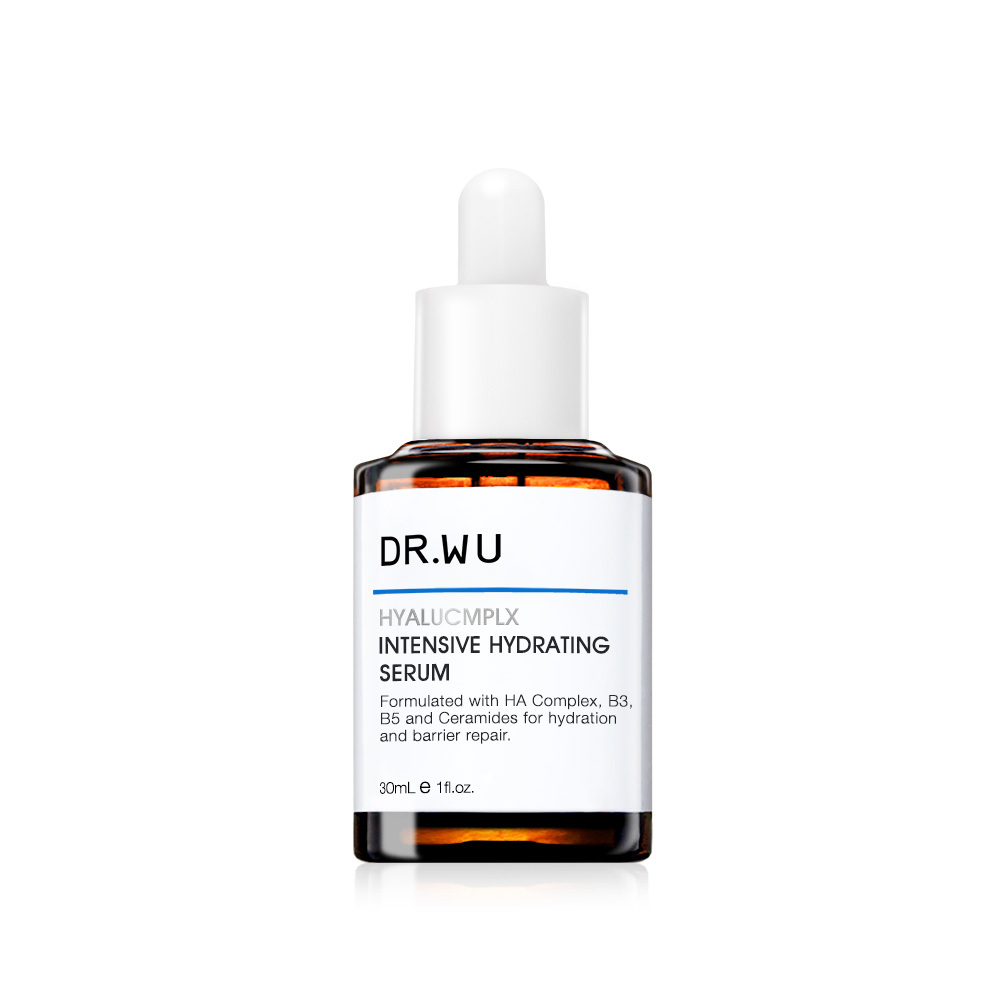
DR.WU HYALUCMPLX INTENSIVE HYDRATING SERUM

DR.WU Hyalucmplx Intensive Hydrating Serum features the exclusive sixth-generation “Hyalucmplx Technology,” combining five hyaluronic acid components to comprehensively enhance the skin’s natural moisturizing ability through five key functions: water retention, hydration, water infusion, water activation, and water concentration. This innovative technology pene

trates deeply into the skin’s foundation, restoring moisture and elasticity.


The upgraded formula includes multiple ceramides as well as vitamins B3 (niacinamide) and B5 (panthenol) to help strengthen the skin barrier, reduce water loss, and deliver a triple repair effect: superior moisturizing, instant soothing, and rapid recovery. Whether sensitivity is caused by dryness, sleep deprivation, or environmental changes, it can quickly stabilize and repair the skin condition.


Additionally, the serum contains active yeast and seaweed polysaccharide extracts, uniquely formulated with “super-micro water band” technology. This wraps the skin like an invisible moisture-locking film, firmly securing hyaluronic acid deep within the skin while continuously releasing moisture for long-lasting hydration and defense. After use, the skin feels instantly plumped and fully hydrated, fine lines are smoothed, and the skin appears more supple and soft.


This classic moisturizing serum is especially suitable for dry, dehydrated, peeling, or sensitive skin. With long-term use, it helps stabilize skin condition, leaving the skin feeling as if covered by a water bandage—providing lasting soothing, radiance, and hydration!


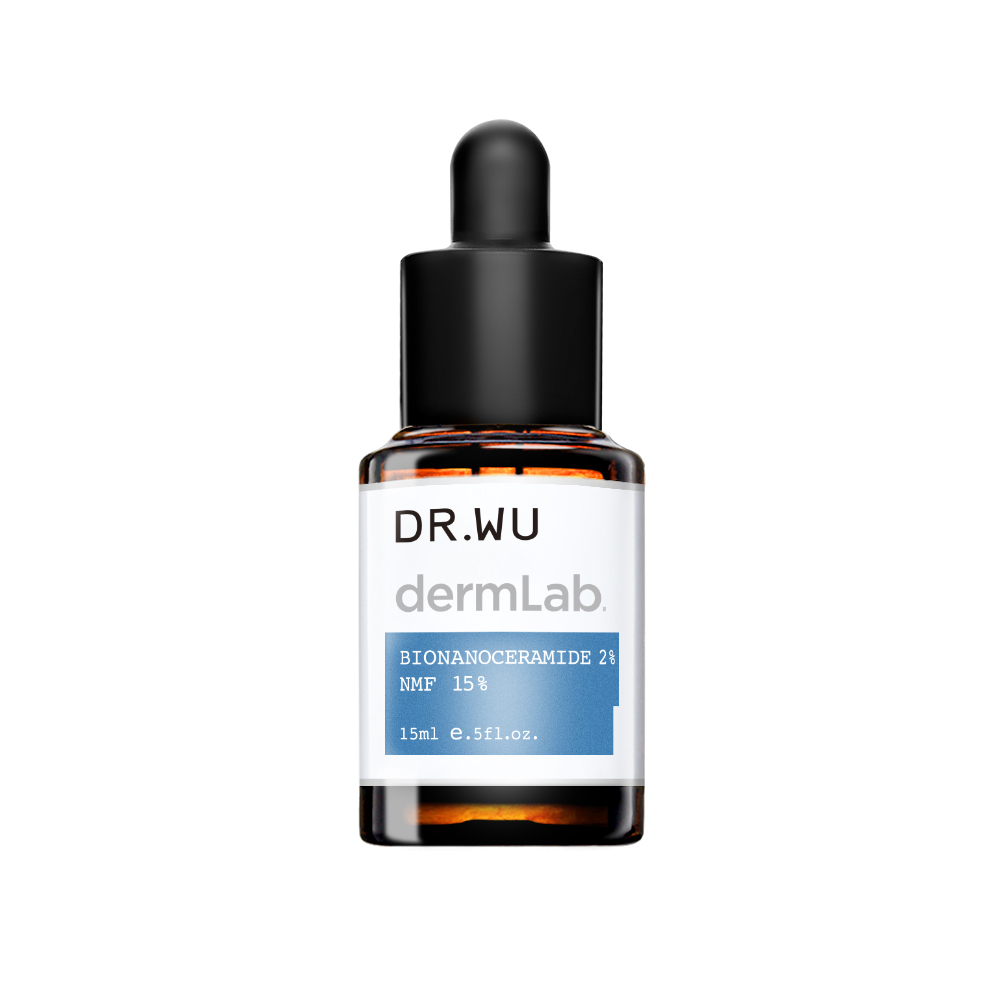
DR.WU  2% BIONANOCERAMIDE + 15% NMF

If you often struggle with dryness, peeling, or itching, the DR.WU 2% BIONANOCERAMIDE + 15% NMF, specially designed for “dry sensitive skin,” is definitely worth trying! Its formula is based on “skin immunology” and contains 2% Japanese-made penetrative ceramide, offering twice the penetration power of regular types. It deeply replenishes lost lipids in the stratum corneum, strengthens the natural barrier, and helps restore the skin’s defensive function.


Combined with natural moisturizing factors (NMF) and plant-based biomimetic glycogen (Bio-Glycogen), it further enhances skin hydration and softness. At the same time, using fine water retention network essence technology effectively locks in nutrients and reduces moisture loss, making moisturizing effects last longer. Whether during seasonal sensitivity, prolonged exposure to air conditioning, or times when the skin feels dry and tight, it helps the skin regain stability, restoring radiance and elasticity.


If your skin is dry, dehydrated, and prone to fine lines, it is recommended to choose a hyaluronic acid moisturizing serum; If you have dry, sensitive skin or a compromised skin barrier, using a 2% ceramide moisturizing serum is advised. Both can also be used together — first apply hyaluronic acidfor hydration, then follow with ceramide to lock in moisture, achieving a dual moisturizing and repair effect that keeps your skin soft and stable all day long.

DR.WU HYALUCMPLX INTENSIVE HYDRATING SERUM
DR.WU 2% BIONANOCERAMIDE + 15% NMF